Navigating the diverse and sometimes dangerous world of South Carolina’s venomous snake species requires a robust understanding of their behavior, identification, and management. As the Palmetto State is home to a range of these species, knowledge about their habitats and the safest ways to avoid them is vital for residents and visitors alike. This article aims to equip you with practical insights and expert recommendations for staying safe in the wild.
Key Insights
- The most common venomous snakes in South Carolina include the Eastern Diamondback, Cottonmouth, and Timber Rattlesnake.
- Understanding habitat and behavior helps to minimize encounters with these dangerous reptiles.
- First aid and prompt medical attention are crucial in case of a venomous snake bite.
Identification of Common Venomous Species
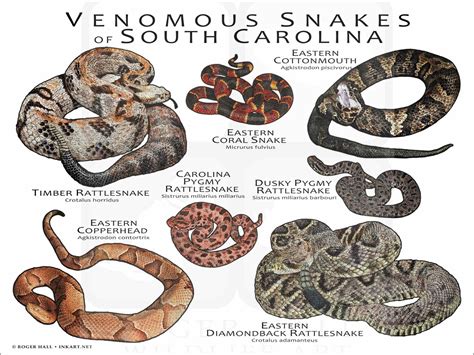
South Carolina’s venomous snake species can often be identified by distinct physical characteristics. The Eastern Diamondback, the largest venomous snake in the state, features a bold, diamond-patterned back and grows up to six feet in length. The Cottonmouth, also known as the Water Moccasin, is semi-aquatic, with dark, grayish-brown coloration and a characteristic white interior of the mouth. The Timber Rattlesnake is easily identified by its brown or gray body and rattle, which grows larger with each shedding. Accurate identification can prevent dangerous encounters and help in determining the best course of action.
Habitat and Behavior Insights
Venomous snakes in South Carolina exhibit specific habitat preferences and behaviors that can aid in their avoidance. The Eastern Diamondback tends to inhabit dry, open areas such as fields and sandy pine flatwoods. Cottonmouths prefer wetland areas like swamps and riverbanks, where they are more likely to be found swimming or basking in sunny spots. The Timber Rattlesnake prefers wooded areas and is often found under rocks, logs, or leaf litter. Recognizing these habitats is essential to avoid stepping into the territory of these snakes. When traversing high-risk areas, it is prudent to wear sturdy boots, use a stick to probe ahead, and remain vigilant.
What should I do if I encounter a venomous snake?
If you encounter a venomous snake, it's important to stay calm and maintain a safe distance. Slowly back away without making sudden movements that could provoke the snake. If in a situation where you cannot easily retreat, try to identify the snake to assess the level of danger. Once clear, report the sighting to local authorities or wildlife control for safe removal.
Is it necessary to carry snake bite kits in South Carolina?
While not required, carrying a snake bite first aid kit can be useful, especially for outdoor enthusiasts. These kits often contain items like compression bandages, venom extractors, and instructions for initial care. However, the most critical action post-encounter is to seek prompt medical attention. In South Carolina, professional medical treatment following a snake bite is crucial for effective recovery.
Understanding South Carolina’s venomous snakes is crucial for safety and well-being. With appropriate knowledge and practical measures, encounters can be avoided, and any unfortunate incidents can be managed effectively. Always remember to approach these wild creatures with caution, and when in doubt, leave the handling to the professionals.