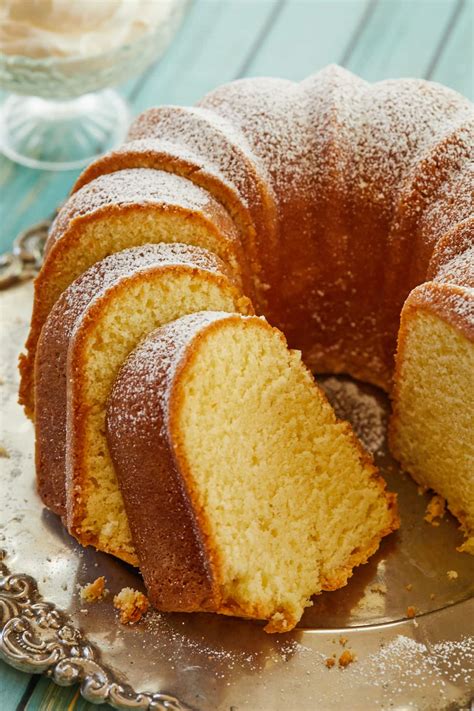
Sour Cream Pound Cake Secrets: Delight Unveiled
Are you in the mood for a moist, rich, and utterly satisfying cake that’s just begging to be dunked in coffee? Sour cream pound cake is an extraordinary dessert that’s incredibly versatile. Whether you’re serving it at a family gathering, enjoying a solitary slice, or gifting it to a neighbor, this cake stands out. The secret to its unmatched texture and flavor lies in a few key ingredients and techniques. Let’s dive in and unlock the secrets of this delectable treat, so you can impress your loved ones every time.
Opening: The Magic of Sour Cream Pound Cake
Sour cream pound cake is a classic for good reason—its creamy texture, tangy flavor, and buttery richness create a mouthfeel you just can't get anywhere else. The allure of this cake comes from its unique combination of ingredients that meld to create a heavenly texture. What sets sour cream pound cake apart is the use of sour cream, which lends a distinct tanginess and moisture. But don’t worry; it’s balanced perfectly with butter, sugar, and flour, ensuring you get a cake that’s moist and rich without feeling overly dense.
The beauty of this cake lies in its simplicity. It’s not just a dessert; it’s a canvas for personal creativity. Whether you want to frost it with a simple buttercream or load it with fresh fruit, the possibilities are endless. This guide will help you master the art of sour cream pound cake, giving you a few secrets that will elevate your baking game. Let’s uncover these secrets and turn your kitchen into a bakery of delights.
Quick Reference
- Immediate action item: Always use room temperature ingredients to help the batter mix more smoothly.
- Essential tip: Cream the butter and sugar until fluffy to ensure a light and airy texture.
- Common mistake to avoid: Overmixing the batter which can lead to a dense cake rather than a light one.
The Foundation: Ingredients and Preparation
The first step to a perfect sour cream pound cake is selecting high-quality ingredients. Here's what you’ll need:
- 1 cup of sour cream (full-fat for best flavor and texture)
- 1 cup of unsalted butter (room temperature)
- 2 cups of granulated sugar
- 4 large eggs (room temperature)
- 3 cups of all-purpose flour
- 1 teaspoon of baking powder
- 1/2 teaspoon of salt
- 1 teaspoon of vanilla extract
- 1/2 cup of milk (room temperature)
Before you start mixing, make sure all your ingredients are at room temperature. This helps them to blend more easily, leading to a smoother batter and a better texture.
Here’s how to prepare:
- Preheat the oven: Set your oven to 350°F (175°C). A properly preheated oven ensures even baking.
- Prepare the pan: Grease a 10-inch tube pan or Bundt pan with butter and dust it with a light layer of flour, tapping out the excess. This prevents the cake from sticking.
- Creaming butter and sugar: In a large mixing bowl, cream the butter and sugar together until the mixture is light and fluffy. This usually takes about 3-5 minutes using an electric mixer.
Mastering the Mixing Process
Now, let's delve into the mixing process—the heart and soul of your cake.
- Adding eggs: Add one egg at a time, beating well after each addition. This method ensures that each egg is fully incorporated before adding the next.
- Folding in the dry ingredients: Gently fold in the flour mixture alternately with the milk. Start and end with the flour to maintain the cake’s structure. Be careful not to overmix.
- Incorporating sour cream: Finally, fold in the sour cream. Mix until just combined to ensure the cake remains light and fluffy.
This step-by-step guidance helps avoid a dense cake. Patience here is key to achieving the perfect texture.
Baking and Cooling: Ensuring Perfect Results
Baking the cake is just as critical as the mixing process. Here’s how to ensure your cake turns out perfectly:
- Baking: Pour the batter into your prepared pan and place it in the preheated oven. Bake for 50-60 minutes, or until a toothpick inserted in the center comes out clean. Overbaking can make the cake dry, while underbaking will result in a gooey mess.
- Cooling: Once baked, allow the cake to cool in the pan for 10-15 minutes before transferring it to a wire rack to cool completely. Cooling in the pan helps prevent the cake from crumbling.
Proper cooling is crucial to handle the cake without it breaking apart.
Quick Reference
- Immediate action item: Test the cake with a toothpick; it should come out clean.
- Essential tip: Let the cake cool in the pan for a bit before transferring to a wire rack.
- Common mistake to avoid: Cutting into a cake while it’s still warm will result in a gooey mess.
Advanced Techniques: Adding Extra Flavors
For those looking to take their sour cream pound cake to the next level, consider these advanced techniques:
- Fruit infusion: Fold in fresh or frozen fruit like strawberries, blueberries, or peaches for a delightful twist.
- Chocolate chip or nuts: Mix in some chocolate chips or chopped nuts for added texture and flavor.
- Spices: Add a pinch of nutmeg or cinnamon to the batter for an aromatic twist.
Each of these techniques can bring a new dimension to your cake, making it more personal and enjoyable.
Practical FAQ
Can I make this cake without sour cream?
While sour cream is the star ingredient for this cake’s signature flavor and texture, you can substitute it with plain Greek yogurt or buttermilk if you don’t have sour cream on hand. These substitutes will still yield a delicious cake but with a slightly different tanginess.
What if my cake is coming out too dense?
A dense cake usually results from overmixing or overbaking. To avoid this, make sure to mix just until the ingredients are combined and bake until a toothpick comes out clean but not wet. Remember that baking time can vary slightly based on your oven, so keep a close eye on it.
How can I ensure my cake stays moist?
To keep your cake moist, consider adding a little extra sour cream or milk. Additionally, storing your cake in an airtight container and refrigerating it overnight can help maintain moisture.
Your journey to mastering sour cream pound cake doesn’t end here. By following this guide, you’ll not only bake a cake that’s rich and flavorful but also understand the key techniques that make it special. Happy baking!