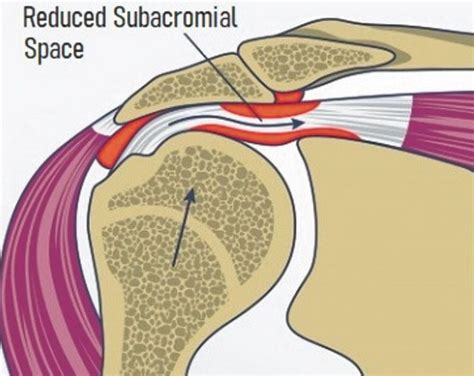
When you notice clicking or popping sounds in your shoulder, it can be unsettling and may hinder your daily activities. This issue often stems from minor misalignments or minor tears in the shoulder's soft tissues, which may lead to more severe complications if not addressed promptly. This guide aims to help you understand the causes and offer practical, step-by-step solutions to alleviate shoulder clicking and restore your mobility.
Understanding Shoulder Clicking: The Core Problem
Shoulder clicking typically originates from the rotator cuff tendons and the labrum, which can become irritated due to poor posture, overuse, or underlying shoulder conditions like impingement syndrome. Addressing these issues involves a combination of physical therapy, exercises, and lifestyle adjustments.
By identifying the root causes and employing targeted interventions, you can significantly reduce shoulder clicking and improve overall shoulder health.
Quick Reference
Quick Reference
- Immediate action item: Perform a gentle shoulder stretch daily to maintain flexibility.
- Essential tip: Incorporate specific rotator cuff exercises to strengthen muscles surrounding the shoulder.
- Common mistake to avoid: Ignoring persistent clicking and not seeking professional evaluation can lead to chronic issues.
Step-by-Step Guide to Alleviating Shoulder Clicking
Here's a comprehensive approach that walks you through identifying, addressing, and preventing shoulder clicking:
Step 1: Identifying the Source of Clicking
To effectively address shoulder clicking, start by pinpointing its source:
- Observe if the clicking occurs during specific movements like reaching overhead or rotating your arm.
- Note if it’s accompanied by pain, weakness, or stiffness.
Step 2: Gentle Stretching for Initial Relief
Gentle stretching can help reduce tightness and relieve clicking:
1. Cross-Arm Stretch: Sit or stand comfortably. Bring your arm across your chest and use the opposite hand to gently pull it closer, feeling a stretch along your shoulder blade.
2. Pendulum Stretch: Lean forward at the waist, let your affected arm dangle, and gently swing it in small circles. Gradually increase the circle size as you feel more comfortable.
Step 3: Strengthening the Rotator Cuff
A strong rotator cuff can help stabilize the shoulder joint and reduce clicking:
1. External Rotation with Resistance Band: Secure a resistance band at a sturdy point. Hold the band with your unaffected hand and perform external rotations with the affected arm, keeping it close to your side.
2. Internal Rotation with Cane or Stick: Hold a cane or stick in your unaffected hand. Place the other end across your chest. Use the cane to guide your arm into internal rotation, feeling a stretch and strengthening the rotator cuff muscles.
Step 4: Posture and Ergonomics
Improving posture and ergonomics in your daily activities can prevent further irritation:
1. Ergonomic Workstation: Ensure your desk height, monitor placement, and chair support promote a neutral spine position.
2. Frequent Breaks: Take regular breaks to stand, stretch, and move around, particularly if your job involves long periods of sitting or repetitive motions.
Step 5: Lifestyle Adjustments
Incorporating certain lifestyle changes can offer long-term relief:
1. Avoid Overuse: Refrain from activities that put excessive strain on your shoulder, particularly if you experience persistent clicking.
2. Balanced Diet: Maintain a balanced diet rich in anti-inflammatory foods like fruits, vegetables, and omega-3 fatty acids to support overall joint health.
Step 6: Seeking Professional Help
If shoulder clicking persists despite your best efforts, it’s crucial to seek professional advice:
1. Physical Therapist: A PT can offer tailored exercises and techniques to address your specific shoulder issues.
2. Orthopedic Specialist: For chronic or severe cases, consult an orthopedist who may recommend imaging tests or further interventions.
Practical FAQ Section
What should I do if shoulder clicking is accompanied by pain?
If shoulder clicking is accompanied by persistent pain or weakness, it's important to take it seriously. Follow these steps:
- Stop any activities that exacerbate the pain and rest your shoulder.
- Apply ice packs for 15-20 minutes to reduce inflammation.
- Consult a healthcare professional for an accurate diagnosis and tailored treatment plan.
Ignoring severe symptoms can lead to chronic problems that are harder to treat.
Can massage help with shoulder clicking?
Yes, massage can provide temporary relief by loosening tight muscles and improving blood flow. However, it’s important to choose a therapist experienced in shoulder conditions to avoid further irritation.
Incorporate massage into your shoulder care routine as a complementary approach to more focused therapies and exercises.
Is surgery necessary for shoulder clicking?
Surgery for shoulder clicking is typically a last resort after exhausting all conservative treatments. Your doctor might recommend surgery if:
- You experience significant pain, weakness, or loss of function despite extensive physical therapy.
- Imaging tests show severe tears or structural damage that can’t be resolved with less invasive methods.
Always discuss all available options thoroughly with your healthcare provider to determine the best course of action for your specific condition.
By following this guide, you can effectively manage shoulder clicking, reduce discomfort, and enhance shoulder function. Remember, the key is to address the problem holistically through a combination of exercises, lifestyle adjustments, and professional guidance when needed.